10 Practical Tips to Prevent Clogged Drains
Keep your kitchen and bathroom drains flowing smoothly with these ten practical maintenance tips to prevent blockages, unpleasant odors, and plumbing problems.
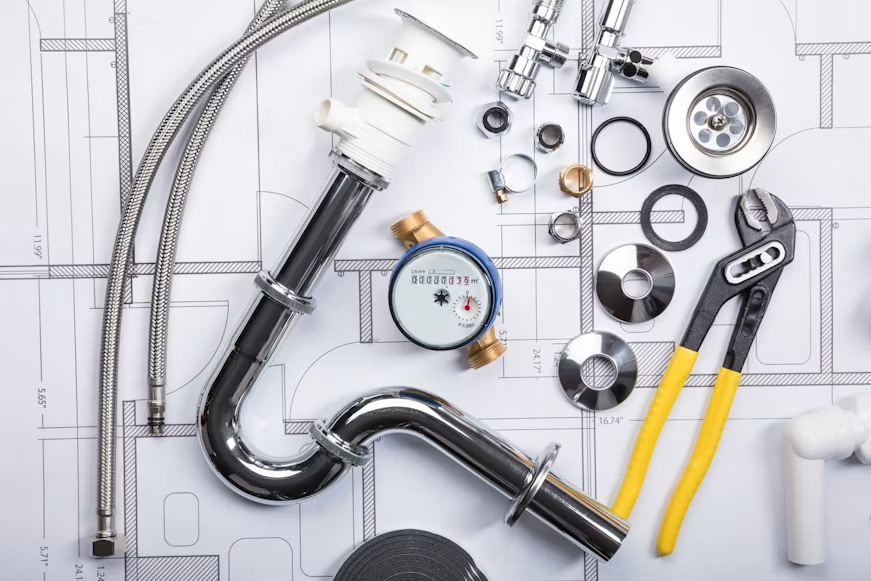
Clogged drains are among the most common household plumbing problems. They can cause slow drainage, unpleasant smells, standing water, and unexpected repair costs.
Fortunately, a few simple habits can help prevent many blockages and keep your plumbing system in better condition.
1. Never Pour Cooking Grease Down the Drain
Cooking oil, grease, and fats can cool and stick to the inside of pipes. Over time, these deposits may trap food particles and contribute to stubborn blockages.
Allow grease to cool and dispose of it in a suitable container instead of pouring it into the sink.
2. Install Drain Strainers
Drain strainers catch hair, food scraps, and other debris before they enter your plumbing system.
Use appropriate strainers in kitchen sinks, bathroom sinks, and showers. Clean them regularly to maintain proper water flow.
3. Keep Food Scraps Out of Kitchen Drains
Even when you have a garbage disposal, not every type of food waste is suitable for the drain. Fibrous vegetables, large food scraps, and excessive food waste can contribute to clogs.
Scrape plates into a waste container before washing them.
4. Be Careful About What You Flush
Toilets are designed to handle human waste and toilet paper. Wipes, sanitary products, cotton pads, paper towels, and similar items can cause blockages even when labeled as flushable.
Dispose of these products in an appropriate waste bin.
5. Clean Drain Covers Regularly
Hair and soap residue can collect around bathroom drain covers. Removing visible debris regularly helps reduce the amount of material entering the pipes.
Use gloves and appropriate cleaning tools when clearing accessible debris.
6. Avoid Excessive Chemical Drain Cleaners
Strong chemical drain cleaners can create safety hazards and may damage certain plumbing materials when misused. Never mix different drain-cleaning products, as dangerous reactions can occur.
For minor maintenance, use safer methods appropriate for your plumbing system. If a clog persists, consult a professional plumber.
7. Run Water Appropriately After Use
When using a kitchen sink, allow enough water to carry ordinary food residue through the drain. Avoid assuming that large amounts of debris can be washed away simply by running more water.
If drainage becomes noticeably slower, investigate the problem early.
8. Watch for Early Warning Signs
Gurgling sounds, slow drainage, recurring odors, and water backing up into a sink or shower can indicate a developing blockage.
Address these signs before the problem becomes more serious. If multiple fixtures drain slowly, the issue may be farther down the drainage system.
9. Maintain Outdoor Drains
Leaves, dirt, and other debris can accumulate around outdoor drains and drainage grates. Clear visible debris regularly and make sure water can flow away from the property.
If outdoor drains repeatedly overflow or water collects near your building, professional inspection may be necessary.
10. Schedule Professional Drain Maintenance When Needed
Properties with recurring blockages or heavily used drainage systems may benefit from periodic professional inspection and cleaning.
A plumber can identify buildup, inspect accessible pipework, and recommend an appropriate maintenance schedule based on the condition of the system.
When Is Professional Drain Cleaning Necessary?
If a drain remains blocked after basic cleaning, repeatedly clogs, or causes wastewater to back up, contact a qualified plumber. Avoid using excessive force or unsuitable tools that could damage pipes.
If sewage is backing up into your property, stop using affected fixtures and seek professional assistance promptly.
Final Thoughts
Preventing clogged drains starts with everyday habits. Keep grease and unsuitable materials out of your pipes, clean strainers regularly, and pay attention to early warning signs.
With sensible maintenance and professional help when necessary, you can reduce plumbing disruptions and keep your drains working smoothly.
For persistent blockages or drainage concerns, Plumbing X can help you identify an appropriate drain-cleaning solution.