7 Common Plumbing Problems Every Homeowner Should Know
Learn about seven common household plumbing problems, what causes them, and when to call a professional plumber to prevent costly repairs.
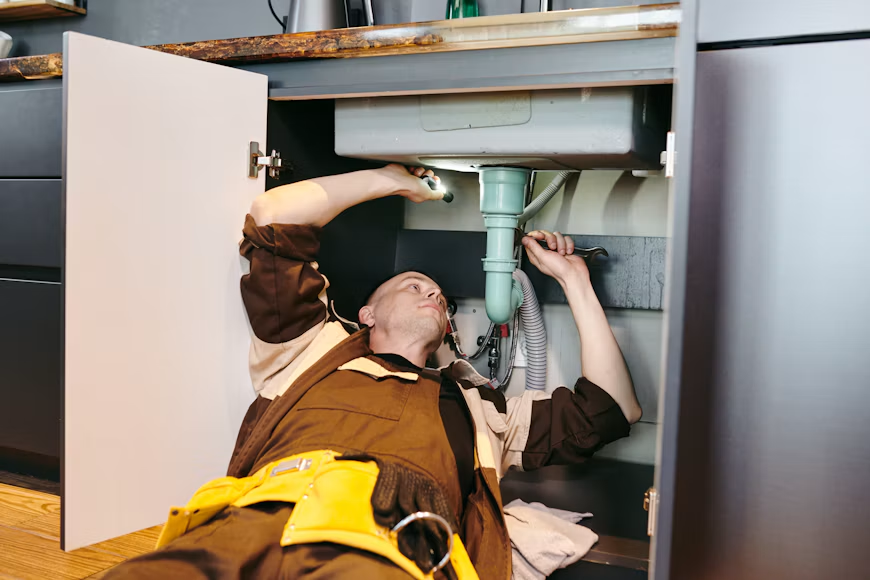
Plumbing plays an essential role in keeping your home comfortable, clean, and functional. However, even a well-maintained plumbing system can develop problems over time. Recognizing the early warning signs can help you address minor issues before they become expensive repairs.
Here are seven common plumbing problems every homeowner should understand.
1. Leaking Faucets
A dripping faucet might seem like a minor inconvenience, but it can waste water and become increasingly annoying over time. Common causes include worn-out washers, damaged seals, loose components, or faulty cartridges.
If tightening the handle doesn’t solve the problem, a plumber can inspect the faucet and replace the damaged parts.
2. Slow or Clogged Drains
Slow drains are common in kitchens, bathrooms, and showers. Hair, soap residue, grease, and other debris can gradually restrict water flow.
Avoid pouring cooking grease down kitchen drains, and use drain strainers where appropriate. If a blockage persists or affects multiple drains, professional inspection may be necessary.
3. Running Toilets
A toilet that continues running after flushing can waste a significant amount of water. The problem often involves a worn flapper, a faulty fill valve, or an incorrectly adjusted float.
Inspecting the toilet tank may reveal the cause. Replacing a damaged component can often restore normal operation.
4. Low Water Pressure
Low water pressure can make everyday activities such as showering and washing dishes frustrating. Possible causes include mineral buildup in fixtures, partially closed valves, leaking pipes, or issues with the water supply.
If the pressure suddenly drops throughout your home, contact a plumber to investigate the cause rather than assuming the problem is limited to one fixture.
5. Leaking Pipes
Pipe leaks may appear as dripping connections, damp patches, water stains, or unexplained moisture around walls and floors.
Even small leaks can damage building materials over time. If you discover a leak, shut off the affected water supply if it is safe to do so and arrange a repair promptly.
6. Water Heater Problems
A water heater may produce insufficient hot water, make unusual noises, or develop leaks. Potential causes depend on the type of heater and may include sediment buildup, faulty heating components, or plumbing connection problems.
Water heaters can involve electrical, gas, and high-temperature hazards. Have a qualified professional inspect and repair equipment when necessary.
7. Blocked Toilets
Toilet blockages often result from excessive toilet paper or unsuitable items being flushed. A plunger may resolve a simple clog, but repeated blockages can indicate a deeper drainage problem.
Avoid repeatedly flushing a blocked toilet, as this can cause an overflow and water damage.
When Should You Call a Professional Plumber?
Some plumbing issues can be resolved with basic maintenance, but others require professional attention. Contact a plumber if you notice recurring blockages, persistent leaks, sudden pressure changes, sewage odors, or water damage.
For serious leaks, know where your main water shutoff valve is located so you can stop the water supply if necessary.
Final Thoughts
Understanding common plumbing problems helps homeowners respond quickly and protect their properties. Regular inspections, sensible drain habits, and timely repairs can keep your plumbing system working reliably.
If you need help with a leaking pipe, blocked drain, or water heater issue, Plumbing X is here to help you explore the right plumbing solution for your home.